Supreme Night Chart Explained: Complete Guide for Beginners
Learn everything about the Supreme Night Chart with this complete beginner’s guide. Understand chart format, numbers, result timing, history, and how to read Supreme Night charts accurately.
 W3signal

The Supreme Night Chart is one of the most searched and discussed night charts among people who regularly follow night market results. For beginners, understanding how this chart works, how numbers are displayed, and how results are updated can feel confusing at first. However, once you learn the basic structure and terminology, reading the Supreme Night Chart becomes much easier.
This complete guide is specially written for beginners who want a clear and simple explanation of the Supreme Night Chart. In this article, we will cover what the Supreme Night Chart is, how it works, how results are published, how to read numbers, common terms used, and important points every beginner should know.
What Is the Supreme Night Chart?
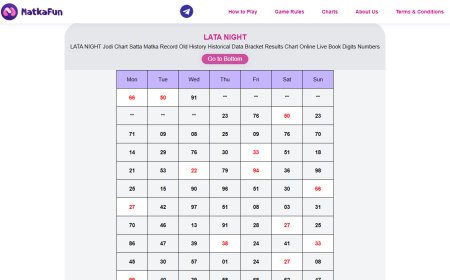
The Supreme Night Chart is a result record system that displays daily numbers for the Supreme Night market. It shows past and present results in a structured table format so users can easily track number movements over time.
Unlike a single-day result update, the chart provides a historical view, allowing users to see how numbers have appeared on different dates. This makes it a useful reference point for people who want to understand number patterns and result history.
The Supreme Night Chart is usually updated daily after the official result announcement and is available on multiple result-reporting platforms.
Why Is the Supreme Night Chart Important?
The importance of the supreme night chart lies in its ability to present data in a clear and organized manner. Instead of checking individual daily results, users can view multiple days or even months of data in one place.
Key reasons why the Supreme Night Chart is popular include:
-
Easy access to past results
-
Clear number presentation
-
Helps in understanding trends
-
Saves time compared to manual tracking
-
Useful for both beginners and experienced users
For beginners, the chart serves as a learning tool to understand how numbers appear and repeat over time.
Structure of the Supreme Night Chart
Understanding the structure of the chart is the first step to reading it correctly.
1. Date Column
Each row in the Supreme Night Chart usually starts with a date. This date represents the day on which the result was declared.
2. Number Columns
Next to the date, you will see number entries. These numbers can appear in different formats depending on the chart layout, such as:
-
Single numbers
-
Jodi numbers (two-digit combinations)
-
Patti or panel numbers (three-digit combinations)
3. Weekly or Monthly Format
Some charts are organized week-wise, while others are arranged month-wise. This helps users scroll through longer result histories easily.
Supreme Night Result Timing
The Supreme Night result is typically announced at a fixed time every night. Once the result is declared, the chart is updated shortly afterward.
Although timing may vary slightly across platforms, most Supreme Night Charts are updated within minutes of the official result announcement. Beginners should always rely on trusted sources to avoid incorrect or delayed updates.
Common Terms Used in Supreme Night Charts
Before learning how to read the chart, it’s important to understand some commonly used terms:
Single
A single refers to a one-digit number from 0 to 9.
Jodi
A jodi is a two-digit number formed by combining two single digits, such as 23, 45, or 78.
Patti / Panel
A patti or panel is a three-digit number combination, such as 123 or 890.
Open and Close
Some charts display open and close numbers separately, representing different stages of result declaration.
Understanding these terms makes it much easier to read and interpret the chart correctly.
How to Read the Supreme Night Chart Step by Step
For beginners, reading the Supreme Night Chart can be broken down into simple steps.
Step 1: Find the Date
Start by locating the date you are interested in. Charts are usually arranged chronologically.
Step 2: Identify the Numbers
Look at the numbers listed next to the date. These may include single, jodi, or patti numbers depending on the chart format.
Step 3: Observe Patterns
As you move down the chart, observe how numbers change from day to day. This helps beginners understand how results are displayed historically.
Step 4: Compare with Recent Results
Compare older entries with recent results to understand repetition or variation in numbers.
This step-by-step method helps beginners avoid confusion and read the chart confidently.
Supreme Night Chart History and Past Results
One of the biggest advantages of the Supreme Night Chart is access to historical data. Past results are stored in the chart so users can analyze previous outcomes.
Historical charts often include:
-
Daily result records
-
Weekly summaries
-
Monthly result breakdowns
For beginners, chart history is useful for learning purposes. It helps in understanding how often numbers appear and how results are recorded over time.
Differences Between Supreme Night Chart and Other Night Charts
Although many night charts exist, the Supreme Night Chart has its own identity.
Some key differences include:
-
Specific result timing
-
Unique chart layout
-
Separate result declaration process
-
Distinct number display format
Understanding these differences helps beginners avoid mixing data from different markets.
Common Mistakes Beginners Make While Reading Charts
Beginners often make small mistakes that can be easily avoided with proper understanding.
1. Misreading Dates
Confusing dates can lead to checking the wrong result.
2. Ignoring Chart Updates
Some beginners rely on outdated charts instead of refreshed ones.
3. Mixing Chart Types
Using data from different markets can cause confusion.
4. Overanalyzing Numbers
Charts are records, not guarantees. Beginners should use them for understanding, not assumptions.
Avoiding these mistakes ensures a smoother learning experience.
Tips for Beginners Using Supreme Night Charts
Here are some practical tips for beginners:
-
Always check the latest updated chart
-
Use charts from reliable sources
-
Learn number formats before analyzing results
-
Focus on understanding, not predicting
-
Keep a simple record if needed
These tips help beginners stay organized and informed.
Is the Supreme Night Chart Beginner-Friendly?
Yes, the Supreme Night Chart is beginner-friendly once you understand its format and terminology. The structured layout makes it easy to follow daily results and historical data without technical complexity.
With regular viewing and practice, beginners can quickly become comfortable reading and understanding the chart.
Frequently Asked Questions (FAQs)
Is the Supreme Night Chart updated daily?
Yes, it is updated daily after the official result announcement.
Can beginners read the chart easily?
Yes, the chart is designed in a simple table format suitable for beginners.
Does the chart show past results?
Yes, it maintains a history of previous results.
Are all charts the same?
No, layout and format may vary slightly depending on the platform.