Digital Payments & UPI: How Fintech Is Changing the Indian Economy
Learn how digital payments and UPI are transforming the Indian economy. Explore fintech growth, benefits, challenges, and future trends.
 W3signal
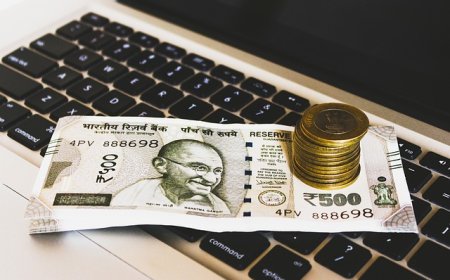
India is witnessing a digital revolution, and digital payments—especially UPI—are at the heart of this transformation. From small tea vendors to large corporations, digital payment systems have reshaped how Indians transact, save, and do business. Fintech innovation has not only made payments faster and easier but has also played a crucial role in boosting financial inclusion and economic growth.
This article explores how digital payments and UPI are changing the Indian economy and shaping the future of finance.
What Are Digital Payments?
Digital payments refer to transactions made without using physical cash. These payments are conducted electronically through smartphones, computers, or cards.
Common digital payment methods in India include:
-
UPI (Unified Payments Interface)
-
Mobile wallets
-
Debit and credit cards
-
Internet banking
-
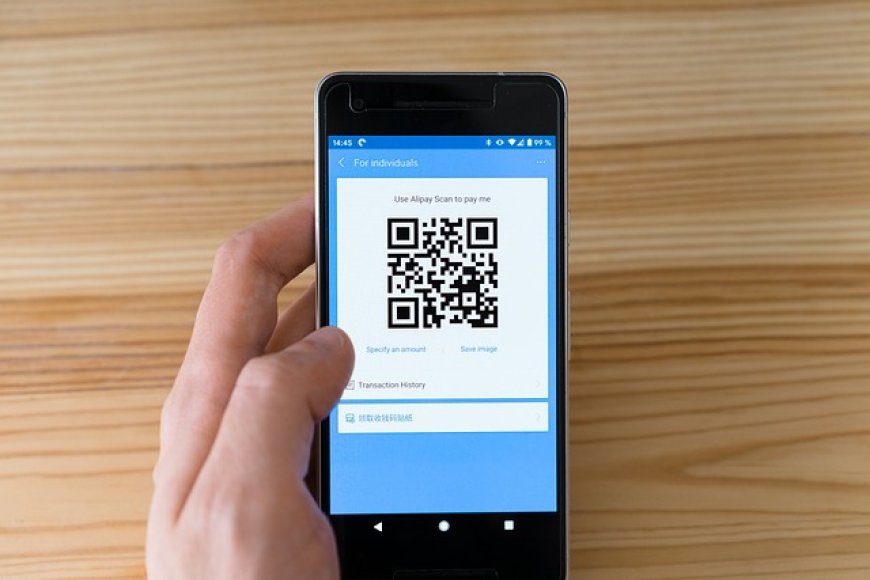
QR code payments
Among these, UPI has emerged as the most popular and widely used payment system.
Understanding UPI (Unified Payments Interface)
UPI is a real-time payment system developed by the National Payments Corporation of India (NPCI). It allows instant money transfers between bank accounts using a mobile phone.
Key Features of UPI:
-
Instant transactions 24/7
-
No need to share bank details
-
Simple mobile-based interface
-
Secure and low-cost
-
Works across multiple banks
UPI has become the backbone of India’s digital payment ecosystem.
Growth of Fintech in India
Fintech (Financial Technology) refers to the use of technology to improve financial services. India has seen explosive growth in fintech startups offering:
-
Digital payments
-
Online lending
-
Investment platforms
-
Insurtech services
-
Personal finance apps
Government initiatives like Digital India, affordable smartphones, and cheap internet have accelerated fintech adoption across urban and rural areas.
How Digital Payments Are Transforming the Indian Economy
1. Promoting Financial Inclusion
Digital payments have brought millions of unbanked Indians into the formal financial system.
-
Easy account opening
-
Access to digital wallets and UPI
-
Inclusion of rural and low-income users
This has reduced dependence on cash and improved access to financial services.
2. Boosting Small Businesses and MSMEs
UPI and QR-based payments have empowered small merchants.
-
Faster payments
-
No need for expensive POS machines
-
Reduced cash handling risks
-
Improved record-keeping
Small businesses can now accept payments instantly and securely.
3. Reducing Cash Dependency
India is moving steadily towards a less-cash economy.
Benefits include:
-
Lower cost of printing and handling currency
-
Reduced corruption and black money
-
Improved transparency in transactions
Digital payments help create a more accountable economic system.
4. Increasing Consumer Convenience
Digital payments have simplified everyday transactions.
-
Pay bills instantly
-
Shop online easily
-
Send money to anyone anytime
-
No need to carry cash
UPI’s simplicity has made digital payments a habit for millions of Indians.
5. Supporting Government Schemes & DBT
Digital payment infrastructure supports:
-
Direct Benefit Transfer (DBT)
-
Subsidy payments
-
Welfare schemes
Money reaches beneficiaries directly, reducing leakage and delays.
Role of UPI in India’s Global Fintech Leadership
UPI has gained global recognition as one of the most successful real-time payment systems.
-
Adopted or studied by other countries
-
Cross-border UPI transactions expanding
-
India emerging as a fintech innovation hub
UPI showcases India’s capability to build scalable digital public infrastructure.
Challenges in Digital Payments & Fintech
Despite rapid growth, some challenges remain:
-
Cybersecurity threats and fraud
-
Digital literacy gaps
-
Internet connectivity issues in remote areas
-
Privacy and data protection concerns
Addressing these challenges is essential for sustainable fintech growth.
Future of Digital Payments in India
The future looks promising with:
-
AI-powered financial services
-
Voice-based payments
-
Offline UPI solutions
-
Cross-border digital payments
-
Stronger regulations for user safety
Fintech will continue to play a vital role in shaping India’s digital economy.
Tips for Safe Digital Payments
To stay safe while using digital payments:
-
Never share OTP or PIN
-
Use official apps only
-
Enable app lock and notifications
-
Avoid clicking unknown links
-
Report fraud immediately
Digital safety is as important as digital convenience.
Conclusion
Digital payments and UPI have transformed the Indian economy by improving financial inclusion, boosting businesses, and promoting transparency. Fintech innovation has made financial services more accessible, affordable, and efficient. As technology evolves, digital payments will continue to strengthen India’s position as a global leader in fintech.
India’s journey towards a digital-first economy is well underway—and digital payments are leading the way.